
Casting pieces in plaster, concrete, gypsum, jesmonite, or eco-resin is a precise craft, and it’s important to follow precise instructions and processes. However, even when you've done everything by the book, something can still go wrong. Below you’ll find a collection of the most common issues many creators enounter when casting at home, and methods and techniques to solve these issues.
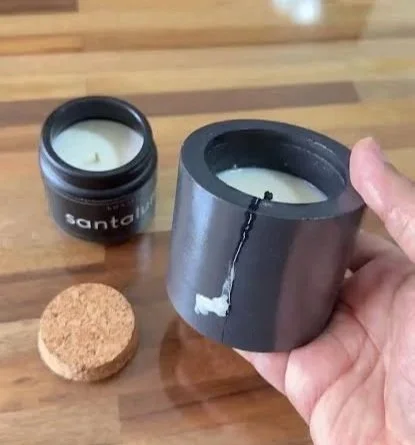
Issue 1 - Cracking
Cause: Incorrect mixture composition, e.g. too much water/liquid/dye/additives in the mix, improper curing, or handling the piece too early (not letting the curing process run it’s course).
Solution: Ensure you’re using the correct water/liquid-to-powder ratio and allow sufficient curing time. Consider adding fiber reinforcement or additional sand/additives to reduce cracking.
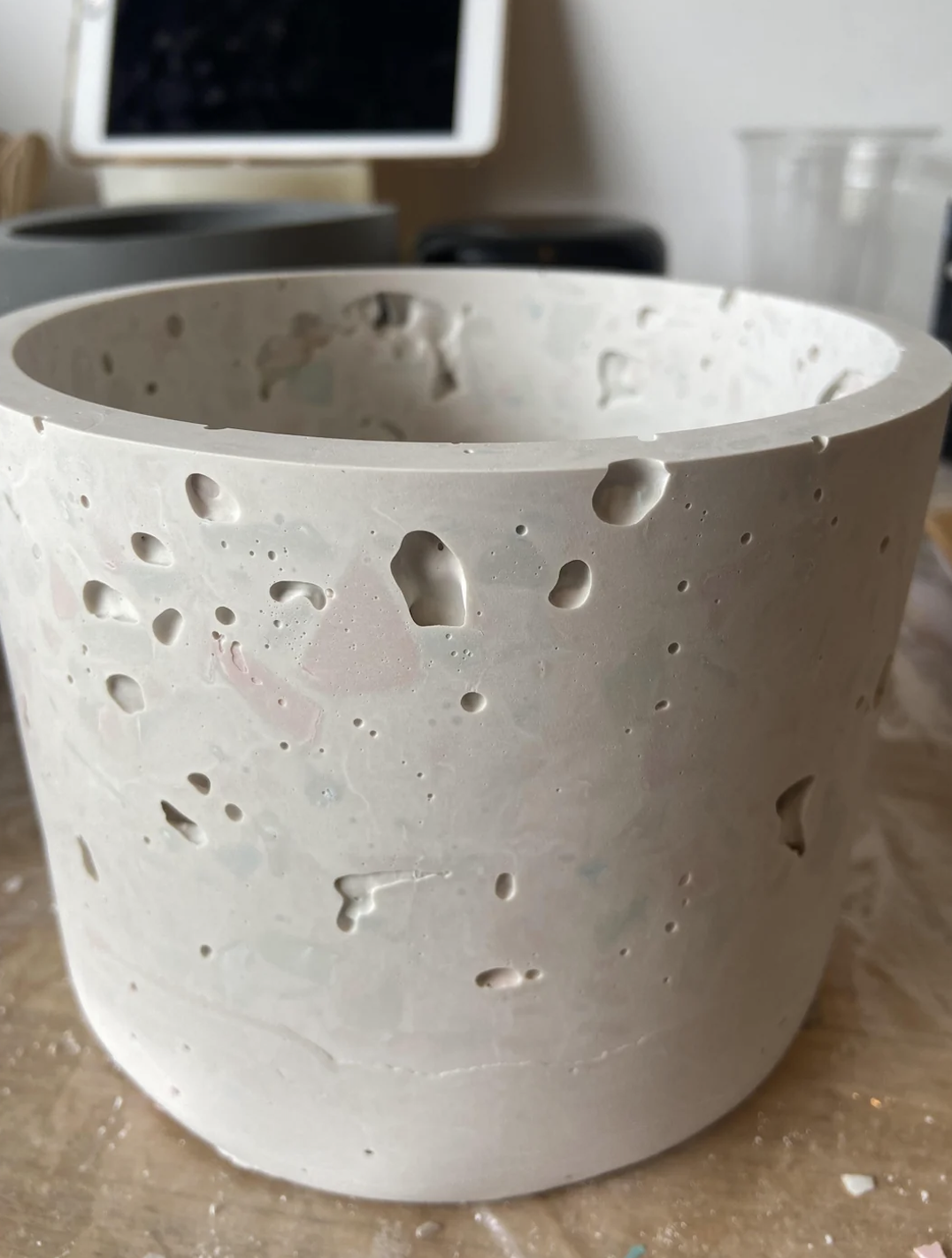
Issue 2 - Air Bubbles & Imperfections
Cause: Air trapped in the mix during pouring. Can be caused by incorrect composition, mixing too vigourously, mixing with an aerating tool (for example a whisk), or certain additives.
Solution: Tap the mold or use a concrete vibrator to remove air bubbles. Mixing slowly and carefully can help reduce air entrapment. Consider pouring in steps and tapping/vibrating the piece in-between the pours.
Issue 3 - Weak or Unstable Pieces
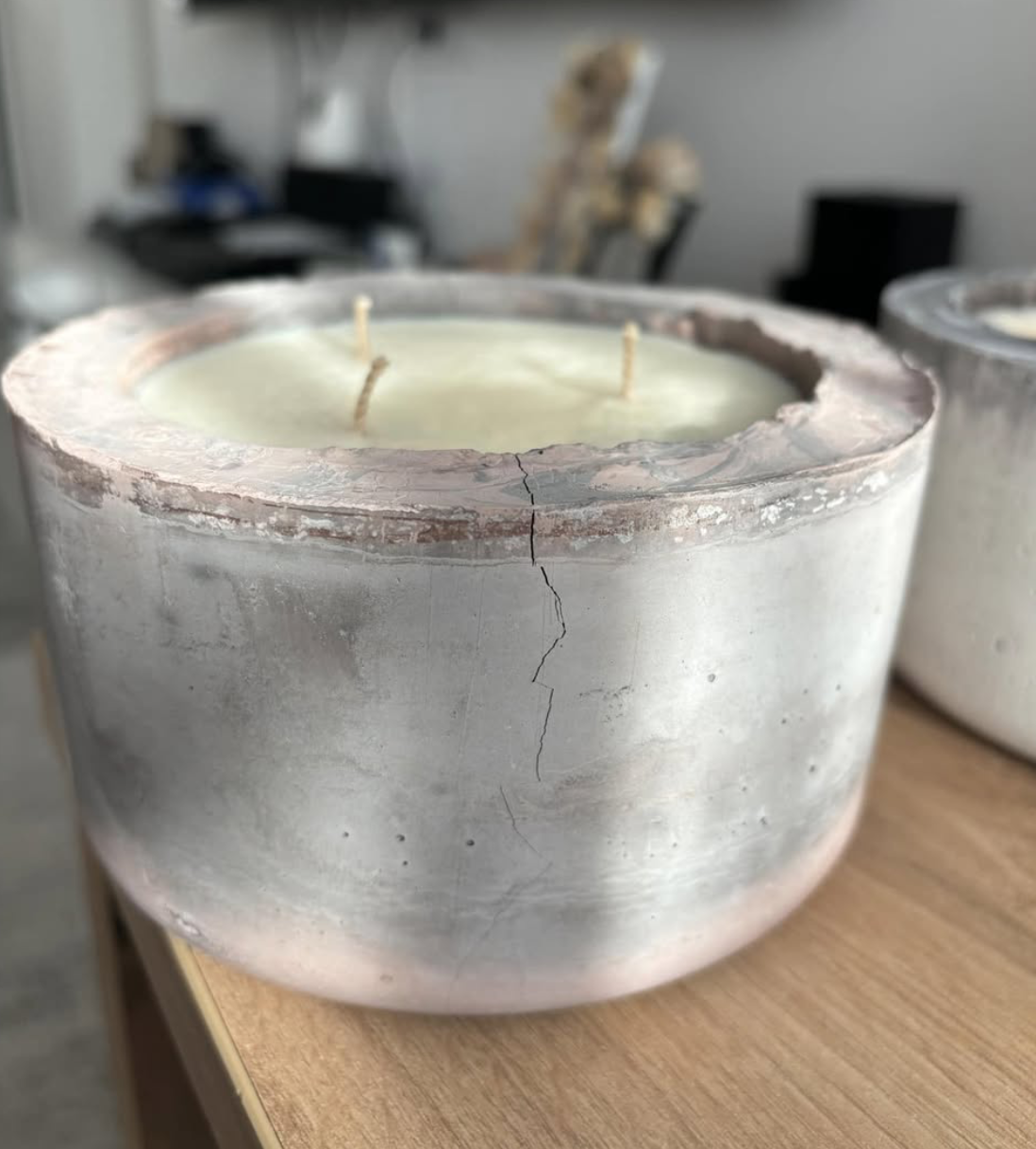
Cause: Incorrect mix ratio, inadequate curing, or insufficient thickness.
Solution: Double-check your measurements and ensure the mix is thick enough for the size of your piece. Reinforce areas prone to stress, such as thin walls. Ensure you leave the piece to fully cure before handling.
Do you have another issue you’d like an answer to? Contact us.
Thirsty for more knowledge? Download our free candle and vessel-making e-books today!